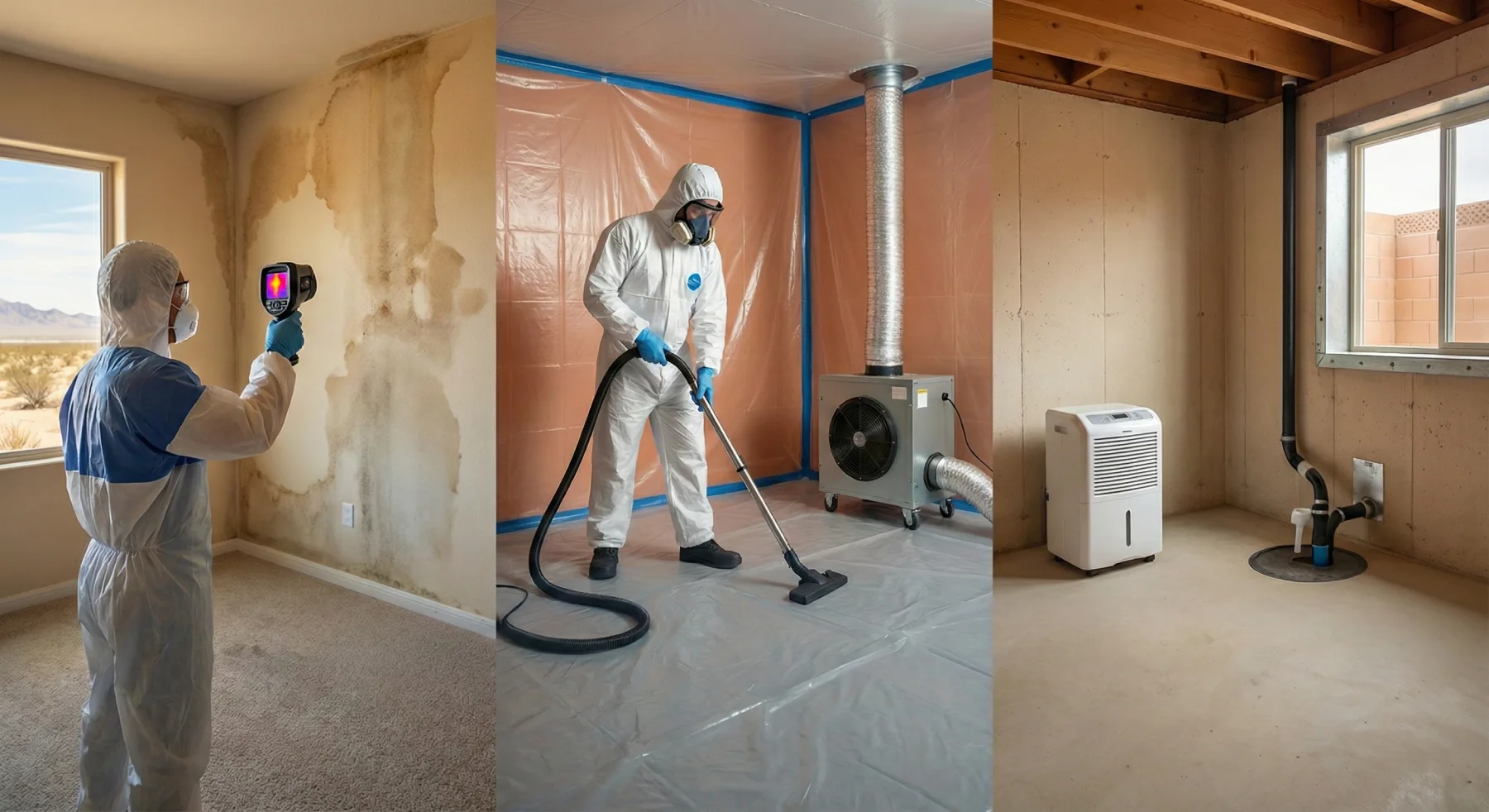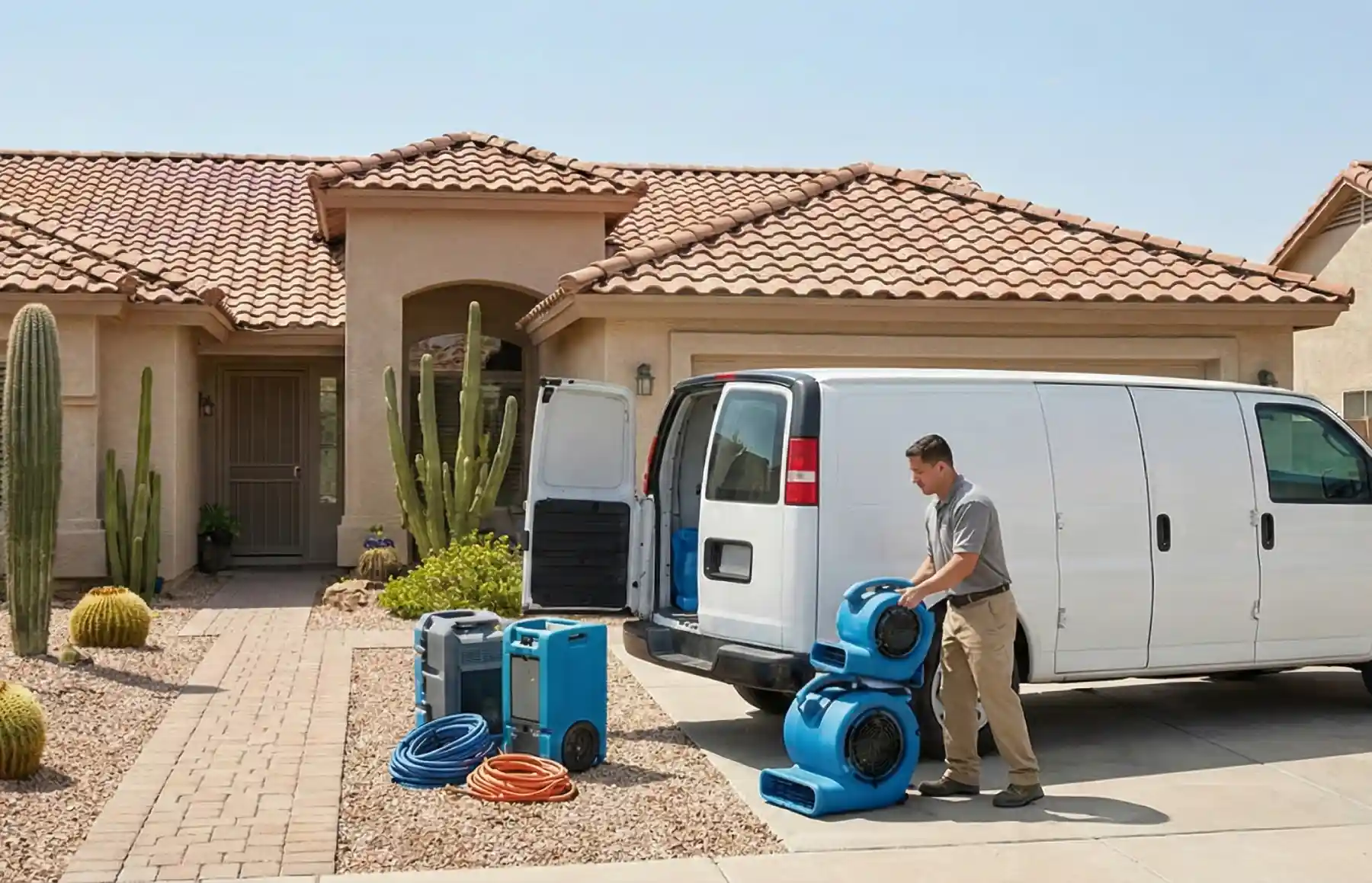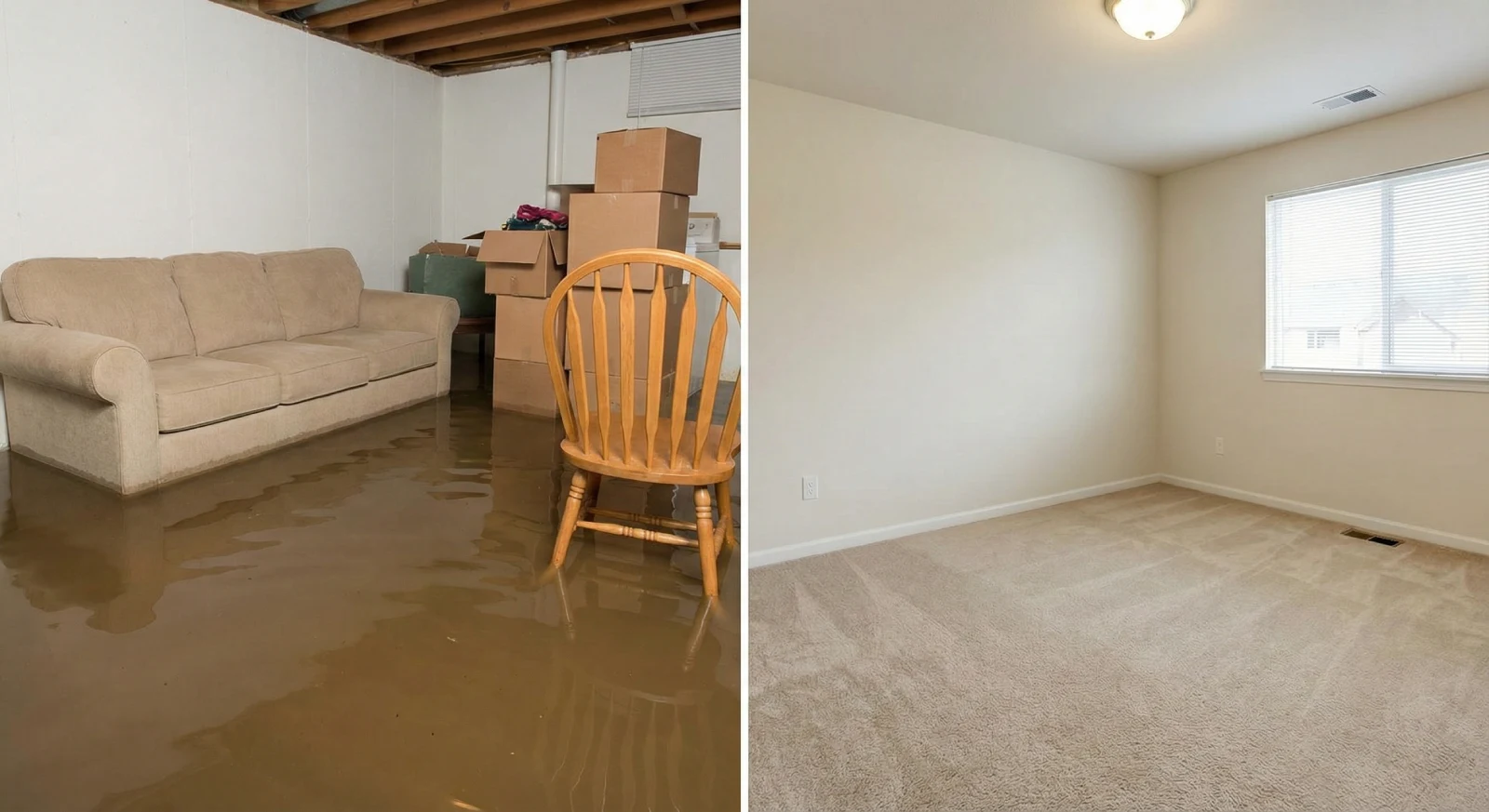
Water, fire, mold, and storm damage disrupt more than structures — they disrupt daily life, safety, and long-term financial stability. This guide helps homeowners understand how to choose a restoration partner who restores more than just property by delivering technical excellence, compassionate communication, and effective insurance support. You will learn why trust matters, which certifications and skills to verify, how rapid 24/7 emergency water removal limits secondary damage, and what full-service restoration involves for fire, mold, and storm events. The article also outlines practical steps a restoration partner should take during insurance claims and highlights Phoenix-specific considerations such as monsoon-driven flood risks and local code implications. Throughout, keywords like water damage restoration phoenix az, emergency water removal, IICRC certified water damage restoration, and mold remediation phoenix az are woven into actionable guidance so you can evaluate providers confidently and move from crisis to recovery with clarity.
Why Is Trustworthiness Essential When Selecting a Restoration Partner?
Trustworthiness in a restoration partner means reliable, documented practices that protect health, limit costs, and ensure durable outcomes. A trustworthy vendor performs accurate assessments, follows industry protocols, and communicates clearly so homeowners can make informed decisions during stressful events. Trust reduces the likelihood of shortcuts that create secondary damage such as hidden moisture leading to mold, which increases long-term repair costs and health risks. Reliable practices also produce the documentation insurers need, improving claim outcomes and speeding payouts. Understanding these connections helps homeowners prioritize vendors that demonstrate consistent standards, transparent pricing, and forthright timelines when choosing water mitigation phoenix services.
What Does ‘Restoring More Than Just Property’ Mean for Homeowners?
“Restoring more than just property” captures the idea that restoration work returns a household to safe, livable conditions while addressing emotional, health, and continuity needs. Beyond structural repairs, effective restoration secures clean air, sanitized surfaces, and clear plans for temporary housing or content recovery when needed. Homeowners benefit through reduced anxiety, quicker resumption of normal routines, and lower long-term health risks from issues like mold colonization. A practical example: a fast mitigation that includes documented drying and content inventory not only prevents rot and mold but also makes insurance conversations smoother, helping families recover both possessions and peace of mind.
How Do Trust and Reliability Impact Restoration Outcomes?
Trustworthy practices translate directly into measurable improvements: shorter timelines, fewer reworks, and stronger insurance documentation that decreases dispute rates. For instance, fast, documented drying within 24–48 hours substantially reduces mold risk, lowering the probability of costly remediation later. When technicians follow standardized protocols and provide timestamped moisture readings and photos, adjusters can verify scope and approve repairs faster. Homeowners working with reliable vendors typically experience clearer project milestones and predictable costs, which reduces stress and avoids surprises during reconstruction and warranty periods.
What Key Certifications and Expertise Should a Restoration Company Have?
Key certifications and demonstrable expertise act as proxies for technical competence and ongoing training in restoration professionals. The most recognized credential for water and mold work is the IICRC certification, which indicates training in industry standards and best practices for cleaning, drying, and remediation. Proof of proper licensing and insurance (general liability and workers’ compensation) protects homeowners from liability and indicates a legitimate operation. Experience handling the specific damage type—such as primary water intrusion, mold remediation phoenix az cases, fire soot cleanup, or storm-related structural repairs—signals that a provider can anticipate complications and adapt methods appropriately.
Before the table below, ask providers for documentation that validates these claims and learn how each credential maps to homeowner expectations.
| Certification / Credential | What It Validates | What Homeowners Should Expect |
|---|---|---|
| IICRC Certification | Technician training in cleaning, drying, and remediation standards | Follow standardized drying protocols, documented moisture readings, and adherence to industry best practices |
| State Contractor License | Authorization to perform repairs and, where applicable, reconstruction | Proper permitting, code-compliant repairs, and qualified subcontractor management |
| Insurance Coverage (Liability & WC) | Financial protection for damages and worker incidents | Proof of current policies and coverage limits; homeowner not liable for worker injuries |
| Manufacturer / Equipment Training | Proper use of industrial pumps, dehumidifiers, and moisture meters | Trained crews that use equipment effectively to speed drying and limit collateral damage |
This comparison clarifies why asking for certificates, license numbers, and insurance declarations is essential before signing any service agreement. Always request digital copies or photos of documentation and record the representative’s name and the date of verification.
Why Is IICRC Certification Crucial for Water Damage Restoration?
IICRC certification indicates that technicians have been trained on evidence-based standards for water extraction, drying, and contamination handling, which directly reduces the risk of inadequate remediation. IICRC guidelines cover category/class assessment, drying goals, and documentation practices—elements insurance adjusters expect to see in professional estimates. Homeowners should verify certificates and ask for technician credentials and training dates; seeing active documentation implies continuing education and updated methods. When technicians follow IICRC procedures, moisture metrics and drying reports are more likely to withstand insurer scrutiny and reduce the chance of future hidden damage.
How Does Professional Experience Influence Restoration Quality?
Professional experience shapes a team’s ability to diagnose concealed problems, choose appropriate drying technologies, and coordinate reconstruction and content restoration efficiently. Crews experienced with diverse scenarios—pipe bursts, appliance failures, or monsoon flooding—anticipate moisture migration paths and structural vulnerabilities that novices might miss. Ask potential vendors for examples of similar projects, Phoenix-area references, and the typical equipment they deploy for specific scenarios. Experience combined with verification of training helps ensure the provider can handle both immediate mitigation and longer-term rebuild coordination.
How Do 24/7 Emergency Water Removal Services Protect Your Home?
24/7 emergency water removal provides immediate intervention to stop ongoing water intrusion, remove bulk water, and stabilize the environment—actions that materially reduce the scope and cost of restoration. Rapid response interrupts moisture migration, limits microbial growth, and preserves materials that might otherwise require demolition. Emergency crews perform an initial assessment, begin extraction with pumps and vacuums, set containment when needed, and deploy drying equipment while documenting conditions for insurance. This emergency phase is the first line of defense in water mitigation phoenix efforts and is often the difference between a localized repair and a full-scale reconstruction.
Before the comparison table, consider practical vendor expectations: a qualified provider will provide a response window, use industry-standard extraction pumps and industrial dehumidifiers, and deliver initial documentation upon arrival.
| Response Aspect | Typical On-Arrival Actions | Immediate Homeowner Benefit |
|---|---|---|
| Response Time | Rapid assessment and water source control | Limits exposure time and reduces escalation of damage |
| Extraction Equipment | Pumps, submersible vacuums, and HEPA-filtered vacuums | Removes bulk water quickly to prevent saturation and migration |
| Initial Documentation | Photos, moisture readings, and containment notes | Creates insurer-ready records that support claims and estimates |
This comparison highlights how clear response protocols and equipment choices translate into tangible homeowner protections, helping you evaluate emergency water removal and 24/7 emergency water extraction suppliers effectively.
What Are the Benefits of Rapid Emergency Response?
Rapid emergency response minimizes health risks, lowers repair scope, and preserves salvageable contents—benefits that compound when crews arrive within hours rather than days. Fast action limits mold colonization, which typically accelerates within 24–48 hours, and reduces structural compromise such as wood swelling or drywall delamination. Rapid documentation and initial stabilization also streamline interactions with insurers by providing time-stamped evidence of mitigation. When vendors act swiftly and provide clear records, homeowners face shorter projects, reduced costs, and fewer surprises during reconstruction.
How Does Immediate Water Extraction Prevent Further Damage?
Immediate water extraction targets bulk water removal to reduce saturation and block moisture pathways, interrupting capillary action that drives water into framing, flooring, and insulation. Extraction combined with controlled airflow and industrial dehumidification lowers relative humidity and dries materials to documented equilibrium points, preventing wood warping, nail pops, and mold spore growth. Equipment such as high-capacity pumps, industrial axial fans, and dehumidifiers works in coordinated cycles to restore safe moisture levels. Understanding how these tools interrupt damage progression helps homeowners verify that mitigation steps are technically sound and appropriately aggressive.
What Comprehensive Restoration Services Should You Expect Beyond Water Damage?
A full-service restoration partner offers integrated capabilities across mitigation, remediation, and reconstruction so homeowners avoid fragmented handoffs that delay recovery. Comprehensive providers coordinate water mitigation, mold remediation services, fire damage restoration, storm damage repair, and reconstruction—maintaining continuity from initial stabilization through rebuild and final walkthroughs. This single-point accountability often reduces administrative friction, shortens timelines, and centralizes warranties and post-repair follow-ups. Knowing when to escalate to specialists, such as structural engineers or hazardous-material teams, ensures appropriate scope and safety for complex repairs.
Prior to the service-scope table, note that service categories often overlap; the right provider maps tasks to timelines and identifies when subcontracted expertise is required.
| Service Area | Typical Tasks | When to Escalate |
|---|---|---|
| Water Restoration | Extraction, drying, moisture mapping, content protection | When structural elements show prolonged saturation or contamination |
| Fire Restoration | Soot removal, odor control, structural stabilization | When fire has compromised load-bearing elements or caused smoke migration |
| Mold Remediation | Containment, removal of affected materials, air cleaning | When widespread colonization or toxic species are suspected |
| Storm/Storm Damage Repair | Debris removal, tarping, water intrusion repair | When roof/structural damage compromises safety or permits are required |
This table clarifies scope differences and helps homeowners set expectations for timelines and escalation triggers during full-service restoration engagements.
How Are Fire, Mold, and Storm Damage Addressed by Restoration Experts?
Fire restoration typically begins with safety assessments, soot and ash removal, odor control, and structural stabilization followed by reconstruction. Mold remediation focuses on containment, targeted removal of affected materials, thorough drying, and clearance testing when appropriate to verify remediation success. Storm damage repair prioritizes securing the property—temporary tarping or board-up—followed by coordinated water extraction, drying, and structural repairs. Timeframes vary with severity: mitigation and stabilization can occur within 24–72 hours, while full reconstruction may take weeks to months depending on permits and material lead times.
Why Is Full-Service Restoration Important for Complete Recovery?
Full-service restoration reduces vendor handoffs and creates a single point of accountability for warranties, scheduling, and communication, which accelerates recovery and reduces administrative burden for homeowners. When mitigation, remediation, and rebuild are coordinated by one team, project scope changes and unexpected findings are addressed within an integrated plan rather than through fragmented negotiations. This continuity often translates into clearer timelines, consistent documentation for insurance claims, and consolidated follow-ups after the job is complete. Choosing a provider that manages end-to-end recovery simplifies decisions during an already stressful time.
How Can a Restoration Partner Assist You with Insurance Claims?
A restoration partner should act as a technical ally in the insurance process by documenting damage, producing itemized restoration estimates, and liaising with adjusters to explain scope and methods. Practically, vendors gather timestamped photos, moisture maps, and content inventories, then prepare detailed scopes of work aligned with industry standards. Clear documentation and professional estimates increase the likelihood of claim approval and reduce disputes about necessary remediation steps. This vendor-led support reduces homeowner stress and helps ensure repairs align with insurer expectations.
Below is a homeowner-facing example flow showing how a restoration partner typically supports an insurance claim from documentation to completion.
- Immediate Documentation: Crew documents the scene with photos, moisture readings, and an initial mitigation plan.
- Estimate & Scope: Provider prepares an itemized estimate with technical notes and proposed drying goals for the adjuster.
- Adjuster Liaison: Restoration technician explains methods and evidence to the adjuster to align on scope and pricing.
- Repair & Follow-up: After approval, crews complete remediation and reconstruction while maintaining ongoing documentation for the claim file.
This stepwise approach demonstrates how coordinated documentation and communication increase claim success and reduce delays.
What Steps Are Involved in Navigating the Insurance Process?
Navigating insurance claims successfully requires systematic documentation, clear estimates, and continuous communication. First, document damage with dated photos and notes and secure temporary measures to prevent further loss. Next, obtain a professional, itemized estimate aligned with industry standards and provide it to your adjuster while keeping copies. The restoration partner should then liaise with the adjuster to explain technical needs and follow up with progress reports and invoice documentation. Finally, retain all communications and receipts to support final payout and warranty coverage.
How Does Transparent Communication Support Claim Success?
Transparent communication—regular written updates, clear change orders, and documented moisture logs—prevents misunderstandings that can stall claims or cause coverage disputes. When vendors provide timestamped reports and explain scope changes in writing, adjusters and homeowners have a verifiable trail to reference. Requesting written estimates and progress summaries at defined milestones helps homeowners monitor budget impacts and timeline shifts. Clear documentation not only supports insurer decisions but also protects homeowners from unexpected charges and scope creep.
What Local Factors Should Phoenix, AZ Homeowners Consider When Choosing a Restoration Company?
Phoenix-area homeowners should weigh regional climate challenges, local building codes, and vendor familiarity with common local materials when selecting a restoration partner. Monsoon season and flash-flood risks change response priorities—rapid water removal during peak storm periods is critical to limit damage escalation. Knowledge of local permit processes and code requirements accelerates rebuilds and reduces the chance of delays. Local reputation, verified references, and experience with phoenix flood cleanup services are practical indicators of on-the-ground responsiveness and supply-chain knowledge.
How Do Regional Weather and Regulations Affect Restoration Needs?
Monsoon-driven storms and episodic flash flooding increase the frequency and severity of water intrusion events in the Phoenix metro area, making rapid mitigation a priority to prevent secondary damage. Local permitting and code requirements influence repair approaches, particularly for structural work and electrical systems exposed during water events. Seasonal demand spikes may affect response times and material availability, so ask vendors about contingency plans for monsoon season. Understanding these regional variables informs realistic expectations for timelines and approaches to water mitigation phoenix projects.
Why Is Local Expertise Vital for Effective Property Restoration?
Local experts bring knowledge of regional building materials, typical failure points, and established relationships with permit offices and subcontractors—advantages that speed permitting and reconstruction. A restoration technician familiar with Phoenix roofing systems, stucco applications, and common plumbing layouts is better positioned to identify hidden damage and recommend appropriate repairs. Vet potential vendors for Phoenix-based references and examples of similar local projects; vendors with proven local networks can often reduce lead times and coordinate smoother recoveries for homeowners.
For homeowners ready to vet providers, use this actionable restoration company checklist and next steps:
- Verify Credentials: Ask for IICRC certification, state licensing, and current insurance documentation.
- Confirm Response Promise: Request the provider’s typical emergency response window and initial mitigation procedures.
- Request Documentation Samples: Ask for examples of moisture logs, drying plans, and itemized estimates from similar jobs.
- Check Local References: Ask for Phoenix-area references and examples of work during monsoon season.
- Understand Communication: Confirm frequency and format of written updates and change orders.
This checklist is intended as a printable vetting tool homeowners can use to compare restoration companies objectively and make informed, timely decisions.