Mold remediation is a critical process for maintaining a healthy living environment, especially in areas like Phoenix, AZ, where the climate can foster mold growth. This article will provide a comprehensive overview of mold remediation, including its importance, inspection methods, effective removal techniques, and prevention tips tailored for the local climate. Readers will learn about the health risks associated with mold exposure and the steps necessary to ensure their homes and businesses remain mold-free. By understanding these aspects, homeowners and business owners can take proactive measures to protect their properties and health.
In this guide, we will explore the following key sections: the definition and significance of mold remediation, the inspection process, effective methods for black mold removal, cost factors associated with remediation services, emergency response strategies, and practical prevention tips for Phoenix residents.
What Is Mold Remediation and Why Is It Essential in Phoenix AZ?
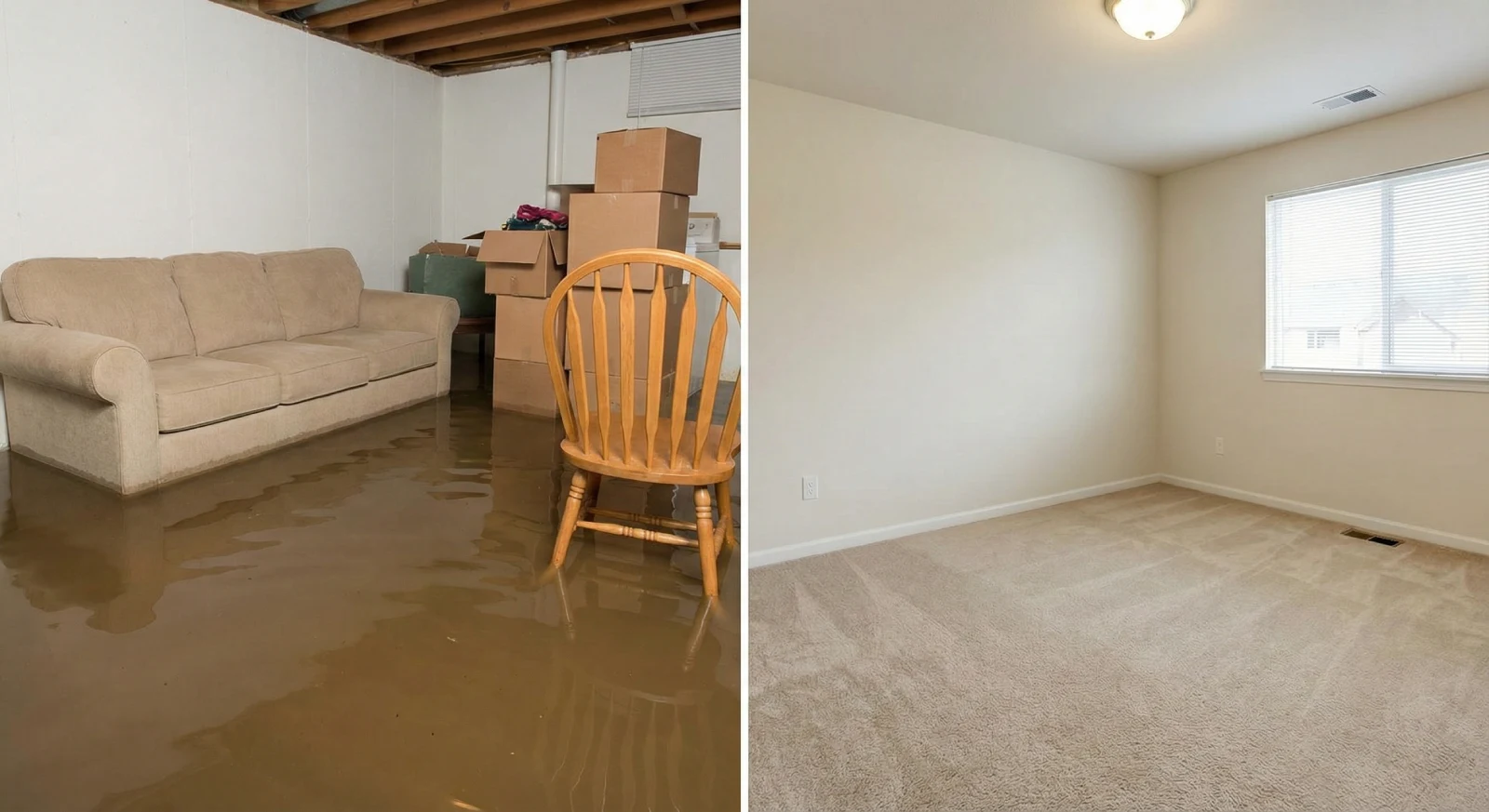
Mold remediation refers to the process of identifying, removing, and preventing mold growth in indoor environments. This process is essential in Phoenix, AZ, due to the region’s warm climate and seasonal monsoon rains, which create conditions that can support mold proliferation. Mold can cause significant damage to property and pose serious health risks to occupants, making timely remediation crucial.
The importance of mold remediation in Phoenix is underscored by the common causes of mold growth, including water damage from leaks, elevated humidity levels during monsoon season, and inadequate ventilation. Addressing these issues promptly can prevent extensive damage and health complications.
How Does Phoenix’s Climate Influence Mold Growth and Remediation Needs?
Phoenix’s climate, characterized by high temperatures and generally low humidity for most of the year, can lead to unique mold growth challenges. However, during the monsoon season, humidity levels rise significantly, creating an environment conducive to mold development. Homeowners must be vigilant during this time, as mold can quickly take hold in damp areas.
Additionally, temperature variations between day and night can contribute to condensation, further increasing the risk of mold growth. Understanding these climatic factors is essential for effective mold remediation strategies in the region.
What Are the Health Risks Associated with Mold Exposure in Phoenix Homes?
Exposure to mold can lead to various health issues, particularly for sensitive individuals. Common health risks associated with mold exposure include respiratory problems, allergic reactions, and skin irritations. In some cases, prolonged exposure can result in more severe health complications, such as chronic respiratory conditions or infections.
In Phoenix, where many residents may have pre-existing health conditions, it is vital to address mold issues promptly to mitigate these risks. Awareness of the potential health impacts can motivate homeowners to prioritize mold remediation efforts.
The critical link between water damage, mold contamination, and potential health effects is a well-documented concern, underscoring the need for effective prevention and remediation.
MoldPrevention & HealthEffects Post-Water Damage Extensive water damage after major hurricanes and floods increases the likelihood of mold contamination in buildings. This report provides information on how to limit exposure to mold and how to identify and prevent mold-related health effects. Where uncertainties in scientific knowledge exist, practical applications designed to be protective of a person’s health are presented. Evidence is included about assessing exposure, clean-up and prevention, personal protective equipment, health effects, and public health strategies and recommendations. Mold prevention strategies and possible health effects in the aftermath of hurricanes and major floods, 2006
How Is Mold Inspection Conducted in Phoenix AZ for Accurate Detection?
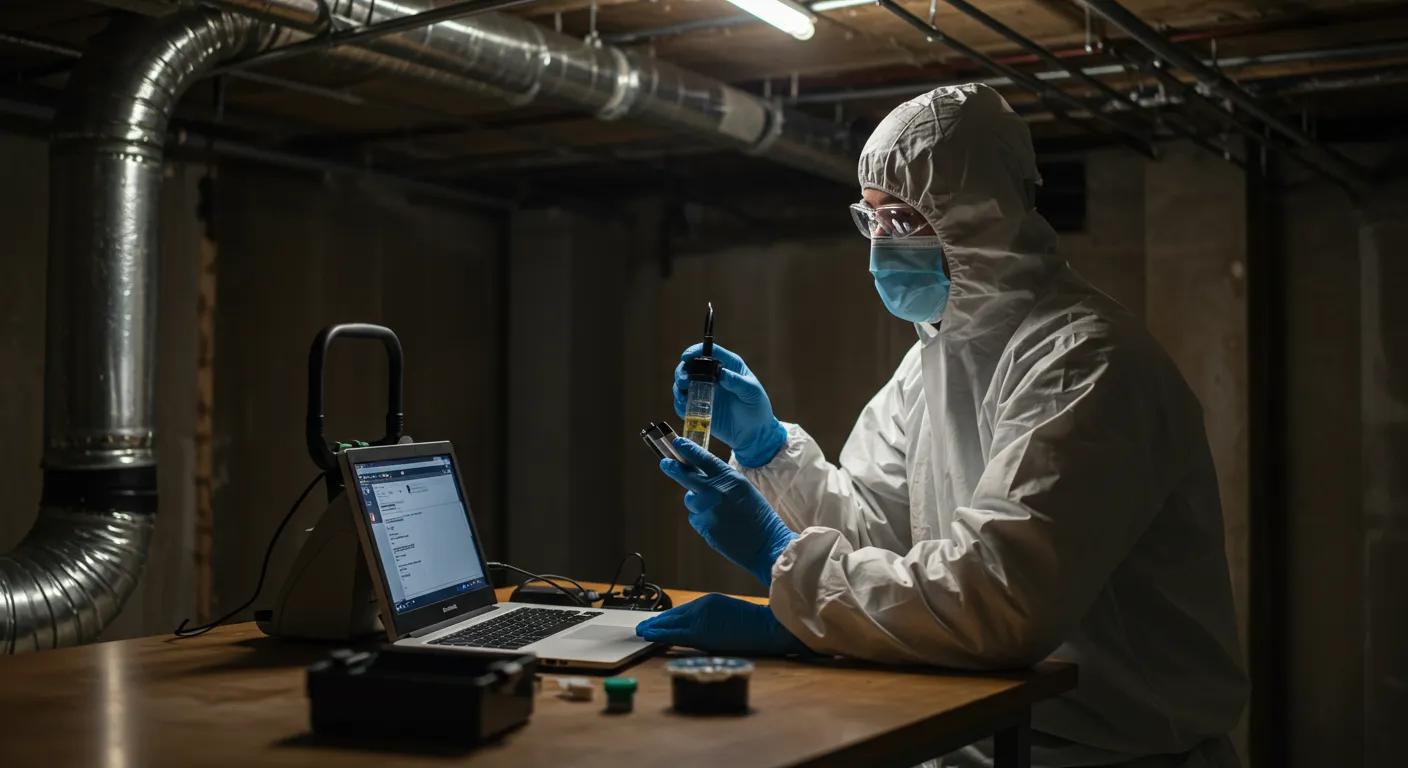
Mold inspection is a critical first step in the remediation process, ensuring that mold is accurately identified and assessed. Professional mold inspectors in Phoenix utilize a variety of techniques and tools to conduct thorough inspections, including visual assessments, moisture meters, and air sampling.
The inspection process typically begins with a visual examination of the property, focusing on areas prone to moisture accumulation. Following this, inspectors may use specialized equipment to measure humidity levels and detect hidden mold growth. This comprehensive approach ensures that all mold sources are identified, allowing for effective remediation.
This comprehensive approach to mold detection is further supported by studies that integrate various data points to create localized mold-risk profiles and inform remediation strategies.
Residential Mold Remediation, Inspection& RiskProfiling Mold in residential buildings presents a significant threat to both occupant health and structural integrity, especially in older homes. This study investigates a localized mold-risk profile by integrating household characteristics, occupant awareness, and prevailing remediation practices. Professional mold inspection and contractor remediation proposal reports, including air and surface mold sampling, were used to classify Mold Severity Index. Common strategies included general mold removal, probiotic treatments, and dehumidification. Integrating Household Characteristics, Mold Inspection and Remediation Data to Develop Localized Mold-Risk Profiles for Residential Buildings, P Salehi, 2025
What Techniques and Tools Are Used in Professional Mold Inspection Phoenix?
- MoistureMeters: These devices measure the moisture content in building materials, helping to identify areas at risk for mold growth.
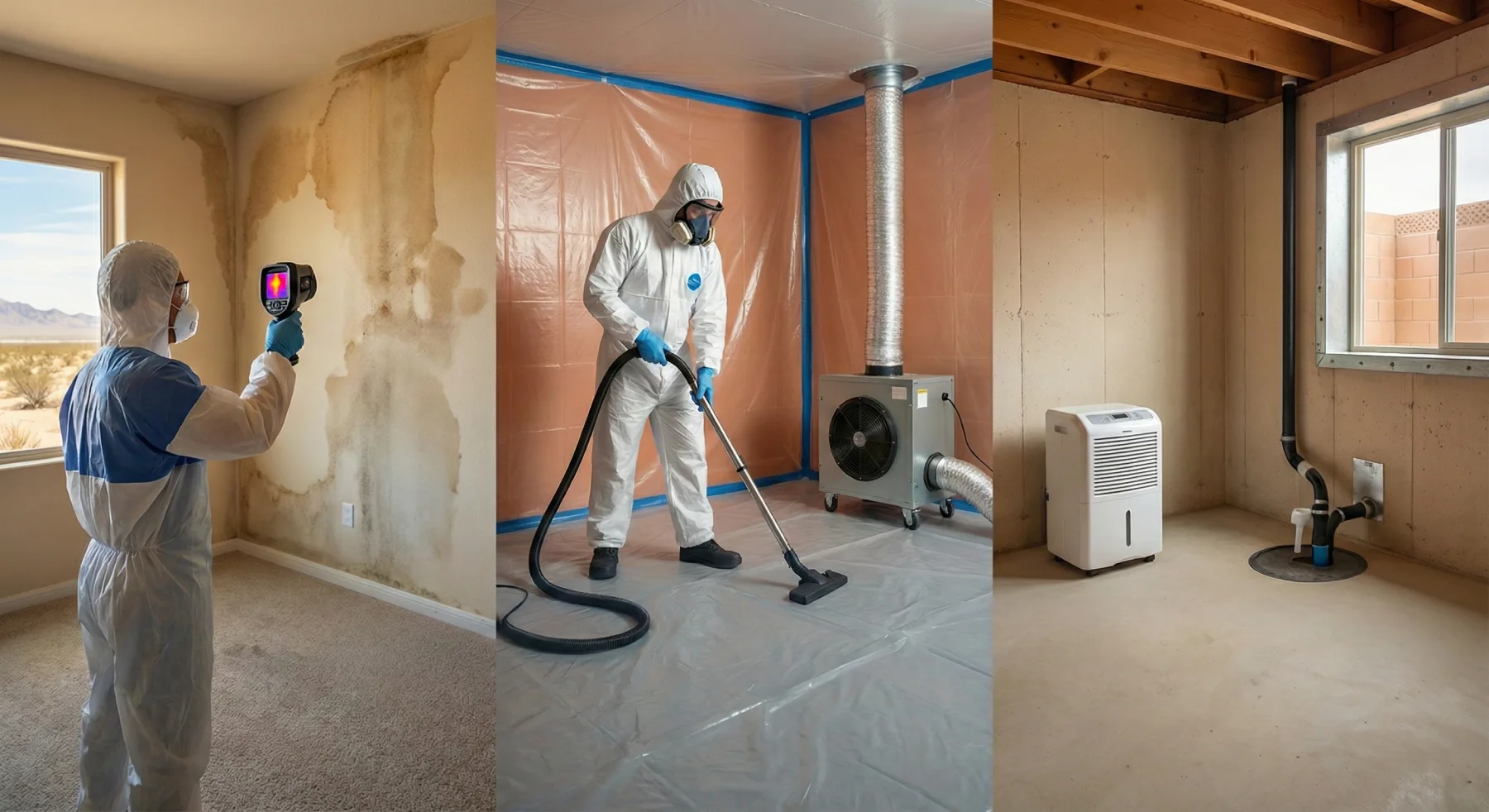
- Infrared Cameras: These cameras detect temperature variations that may indicate hidden moisture problems behind walls or ceilings.
- Air Sampling Kits: These kits collect air samples to analyze mold spores present in the environment, providing insight into the type and concentration of mold.
By utilizing these tools, inspectors can provide a comprehensive assessment of mold presence and guide effective remediation strategies.
When Is Mold Testing Necessary Before Starting Remediation?
Mold testing is often necessary in specific situations to confirm the presence of mold and determine its type. Testing is particularly important when:
- Visible Moldis Present: If mold is visible, testing can help identify the specific type and inform the remediation approach.
- HealthSymptoms are Reported: If occupants experience health issues that may be related to mold exposure, testing can provide clarity on the situation.
- PropertyHistory is Uncertain: For properties with a history of water damage or mold issues, testing can help assess the current state and guide remediation efforts.
Conducting mold testing before remediation ensures that the process is tailored to the specific needs of the property and its occupants.
What Are the Effective Methods for Black Mold Remediation in Phoenix?
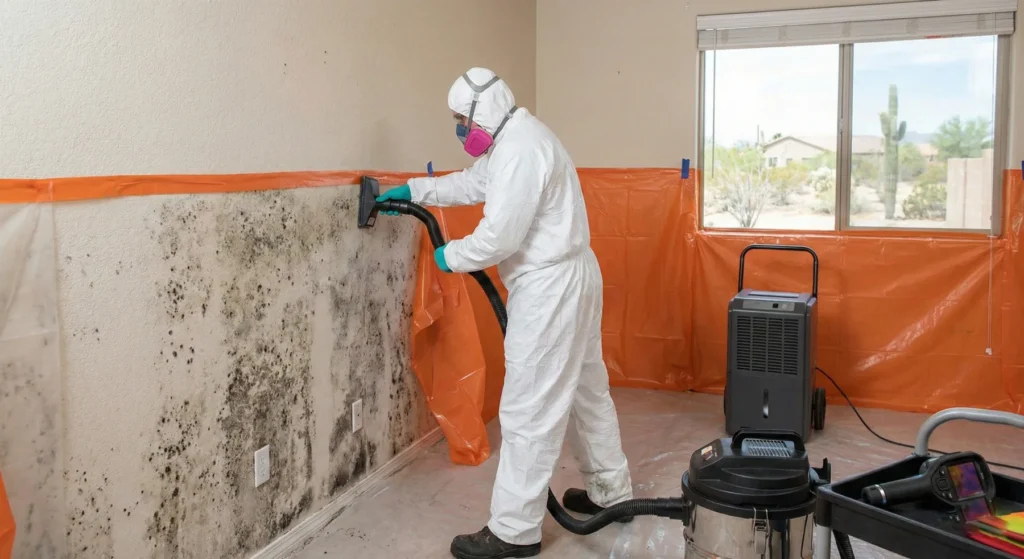
Black mold, or Stachybotrys chartarum, is a particularly hazardous type of mold that can pose serious health risks. Effective remediation methods for black mold in Phoenix involve a systematic approach to ensure safe removal and prevention of future growth.
The first step in black mold remediation is to identify and address the source of moisture that is fueling its growth. Once the source is eliminated, the affected areas must be contained to prevent spores from spreading during the removal process. This often involves sealing off the area with plastic sheeting and using negative air pressure to control airflow.
How to Identify Black Mold and Its Common Locations in Phoenix Properties?
Identifying black mold involves looking for specific visual signs and understanding its common locations. Black mold typically appears as dark green or black patches and may have a slimy texture. Common locations for black mold in Phoenix properties include:
- Bathrooms: Due to high humidity levels from showers and baths.
- Kitchens: Often found around sinks and dishwashers where moisture can accumulate.
- Basements or Crawl Spaces: Areas prone to water intrusion or poor ventilation.
Recognizing these signs and locations can help homeowners take proactive measures to address mold issues before they escalate.
What Specialized Removal Techniques Ensure Safe Black Mold Remediation?
Specialized removal techniques are essential for safe black mold remediation. Key methods include:
- Containment: Sealing off the affected area to prevent spores from spreading during removal.
- HEPA Filtration: Using HEPA filters in air scrubbers to capture airborne mold spores and improve air quality.
- Proper Disposal: Safely disposing of contaminated materials, such as drywall or carpeting, to prevent recontamination.
These techniques ensure that black mold is removed effectively while minimizing health risks to occupants and workers.
How Much Does Mold Removal Cost in Phoenix AZ and What Factors Affect Pricing?
The cost of mold removal in Phoenix can vary significantly based on several factors, including the extent of the infestation, the type of mold, and the specific remediation methods required. On average, homeowners can expect to pay between $500 and $6,000 for mold remediation services, depending on these variables.
What Is the Typical Price Range for Mold Remediation Services in Phoenix?
- Small Areas (e.g., bathrooms): $500 – $1,500
- Moderate Infestations (e.g., kitchens or basements): $1,500 – $3,500
- Severe Infestations (e.g., extensive damage): $3,500 – $6,000
These price ranges reflect the complexity of the remediation process and the resources required to ensure thorough removal and prevention.
How Do Mold Type, Infestation Size, and Property Location Influence Costs?
Several factors influence the cost of mold remediation, including:
- MoldType: Certain types of mold, such as black mold, may require more extensive and costly remediation efforts.
- Infestation Size: Larger infestations typically necessitate more labor and materials, increasing overall costs.
- PropertyLocation: Properties in areas with higher humidity or frequent water damage may face higher remediation costs due to increased risk.
Understanding these factors can help homeowners budget effectively for mold remediation services.
When and How to Access Emergency Mold Remediation Services in Phoenix?
Emergency mold remediation services are crucial for addressing urgent mold issues that can pose immediate health risks or property damage. Knowing when to access these services can help homeowners act quickly to mitigate damage.
What Situations Require Immediate Mold Removal in Phoenix Homes or Businesses?
- Flooding Incidents: Water intrusion from heavy rains or plumbing failures can lead to rapid mold growth.
- Visible Mold Growth: If mold is visibly spreading, prompt action is essential to prevent further contamination.
- HealthConcerns: If occupants experience severe allergic reactions or respiratory issues, immediate remediation is critical.
Recognizing these situations can help homeowners prioritize mold remediation efforts effectively.
How Do Emergency Mold Remediation Providers Operate in Phoenix AZ?
Emergency mold remediation providers in Phoenix typically operate 24/7 to respond to urgent situations. Their process often includes:
- Rapid Assessment: Quickly evaluating the extent of the mold problem and identifying the source of moisture.
- Containment Measures: Implementing containment strategies to prevent mold spores from spreading during removal.
- Immediate Remediation: Utilizing specialized equipment and techniques to remove mold and restore the affected area.
This swift response is essential for minimizing damage and ensuring the safety of occupants.
What Are Proven Mold Prevention Tips Tailored for Phoenix Homes and Businesses?
Preventing mold growth is crucial for maintaining a healthy indoor environment, especially in Phoenix’s unique climate. Implementing effective prevention strategies can significantly reduce the risk of mold development.
How Can Water Damage Restoration Help Prevent Mold Growth in Phoenix?
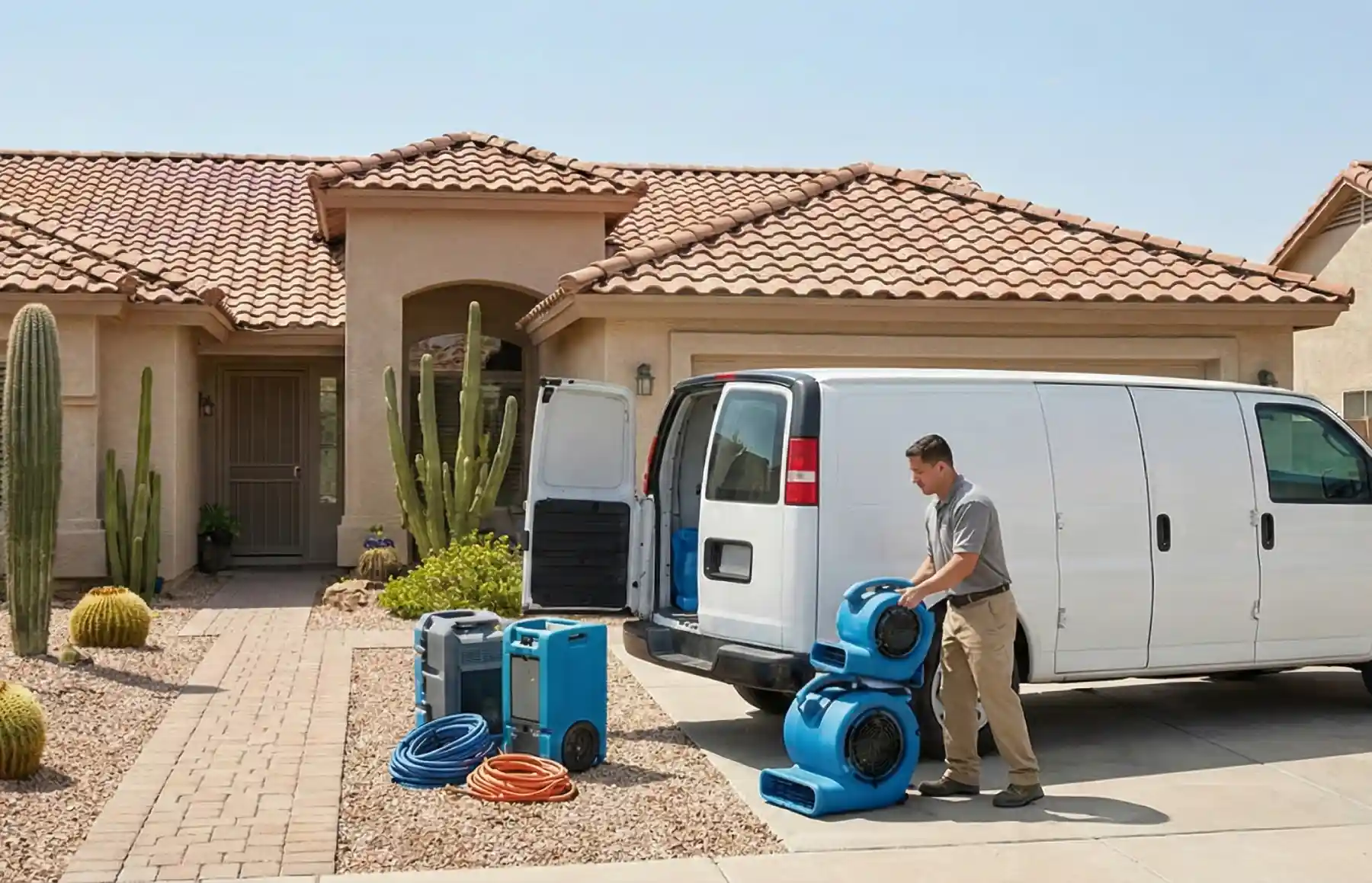
- Immediate WaterExtraction: Quickly removing standing water to minimize moisture levels.
- Thorough Drying: Using industrial fans and dehumidifiers to dry affected areas thoroughly.
- MoistureControl: Implementing measures to prevent future water intrusion, such as repairing leaks and improving drainage.
By addressing water damage effectively, homeowners can significantly reduce the likelihood of mold growth.
What Maintenance Practices Reduce Mold Risks During Phoenix’s Monsoon Season?
During the monsoon season, specific maintenance practices can help reduce mold risks, including:
- Gutter Maintenance: Regularly cleaning gutters to ensure proper drainage and prevent water accumulation.
- Humidity Control: Using dehumidifiers to maintain indoor humidity levels below 60%.
- VentilationImprovements: Ensuring proper ventilation in areas prone to moisture, such as bathrooms and kitchens.
Implementing these practices can help homeowners protect their properties from mold growth during the humid months.
| Service | Cost | Factors |
|---|---|---|
| Mold Inspection | $300 – $500 | Size of property, inspection methods |
| Mold Remediation | $500 – $6,000 | Type of mold, extent of infestation |
| Water Damage Restoration | $1,000 – $5,000 | Severity of water damage, restoration methods |